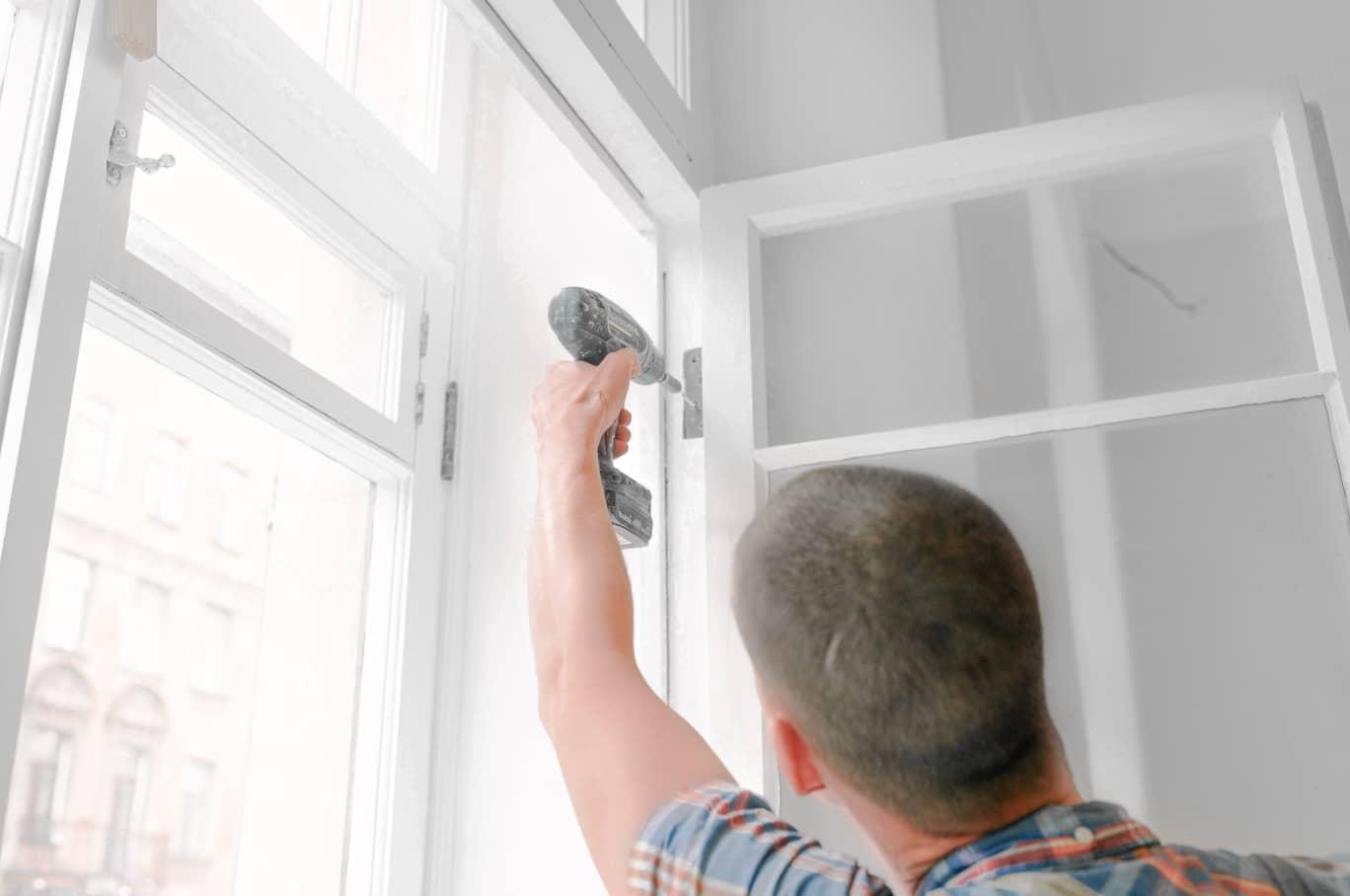
The DIY Corner: Ideas and Repairs from the Handyman
The useful line is not how hard a job is. It is what happens if you get it wrong.
Do it yourself when the failure is cosmetic and reversible: filling and painting, changing a faucet washer, adjusting a door or a hinge, replacing a toilet fill valve, swapping a like-for-like light fitting with the circuit off, caulking, hanging things into studs.
Call someone when the failure is expensive, delayed or invisible. That means anything involving gas, anything at the electrical panel or needing a new circuit, anything structural or load-bearing, anything above the second story, and anything where water goes inside a wall or a floor. The reason is not skill — it is that these fail quietly and are found months later, by which point the repair is ten times the original job.
And the honest bit: the jobs we are most often called to after a DIY attempt are not the hard ones. They are a tile backsplash fixed to drywall that was already soft; a shelf anchored into plaster that pulled the wall out with it; a toilet tightened until the china cracked; and a slow drain treated with chemical cleaner until the line had to be opened up anyway. Every one started as a reasonable weekend job and every one was made more expensive by one more attempt.
There is no charge to have us come and look, and no diagnostic fee — so finding out which side of the line you are on costs nothing.
Ready to grab your toolbox? Let's dive into some simple repairs that will instantly upgrade your home comfort!
- Silencing a Squeaky Door - Tightening hinge screws (top screw first); applying lubricant (silicone or dry wax) to the hinge pin. - If the frame is warped or the door requires planing/re-hanging, CALL A PRO
- Patching a Small Hole in Drywall - Cleaning the edges; using a small adhesive patch kit; applying lightweight spackle; sanding and priming. - Any hole larger than 4-5 inches; damage near electrical boxes or pipes; cracks/damage to entire sections, CALL A PRO!
- Stopping a Leaky Faucet - Turning off water supply; identifying the faucet type (cartridge, compression); replacing a simple washer or O-ring. - If the leak persists; rust/corrosion on the valve body; complex plumbing is required. CALL A PRO!
- Re-Securing Loose Baseboards/Trim - Driving trim nails at opposing angles (toe-nailing); filling holes with putty; touching up with matching paint. - If trim is warped or rotten (water damage); entire sections need to be removed for floor/wall repair. CALL A PRO!
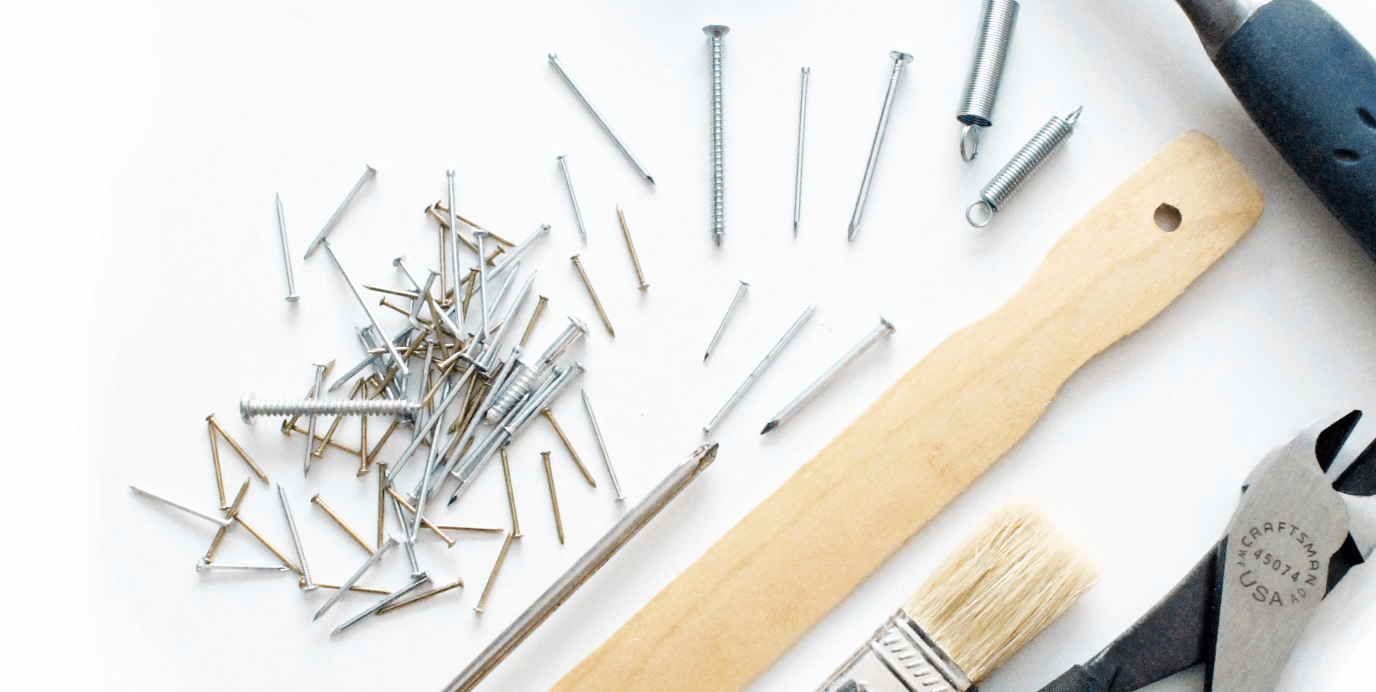
Know Your Limits (And When to Call a Pro)
We hope these simple DIY tips help you tackle those minor household annoyances and enjoy a few quick wins! A little maintenance goes a long way in keeping your home in great shape.
However, the difference between a minor repair and a major project often lies in a thin line: plumbing leaks that won't stop, wiring that concerns you, or structural problems with decks and flooring. Once your project requires specialized diagnostic equipment, licensed trade expertise, or heavy-duty structural tools, it's time to put the big jobs in the hands of the pros.
At Haslett Handyman & Renovation, we respect the DIY spirit, but we're here to jump in when the job is too big, too complex, or too risky. We ensure every job is done safely, perfectly, and built to last.
Finished your DIY list and ready for an upgrade?
📞 Call us at 517-505-7135 or click here to book a free quote for your next major project with Haslett Handyman today!
Where is the line between a DIY job and a call-out?
A reasonable test: if getting it wrong means water, fire or a fall, hire it out. Swapping a faucet washer, hanging a picture, filling a nail hole, replacing a toilet flush mechanism - all fine to attempt. Anything behind a wall, anything on a ladder above single-story height, and anything on a circuit rather than on the end of a plug is where the risk stops being proportionate.
The other line is time. A job that takes us an hour and you a Saturday is often worth paying for, and there is no shame in that calculation.
What do we get called out to fix most often after a DIY attempt?
Overtightened plumbing fittings that have cracked, wall anchors pulled out because the fixing went into drywall rather than a stud, paint applied over unprepared or damp surfaces, and doors planed on the wrong edge. None of these are disasters. All cost more to correct than the original job would have cost to do.
Get in touch
Call 517-505-7135.