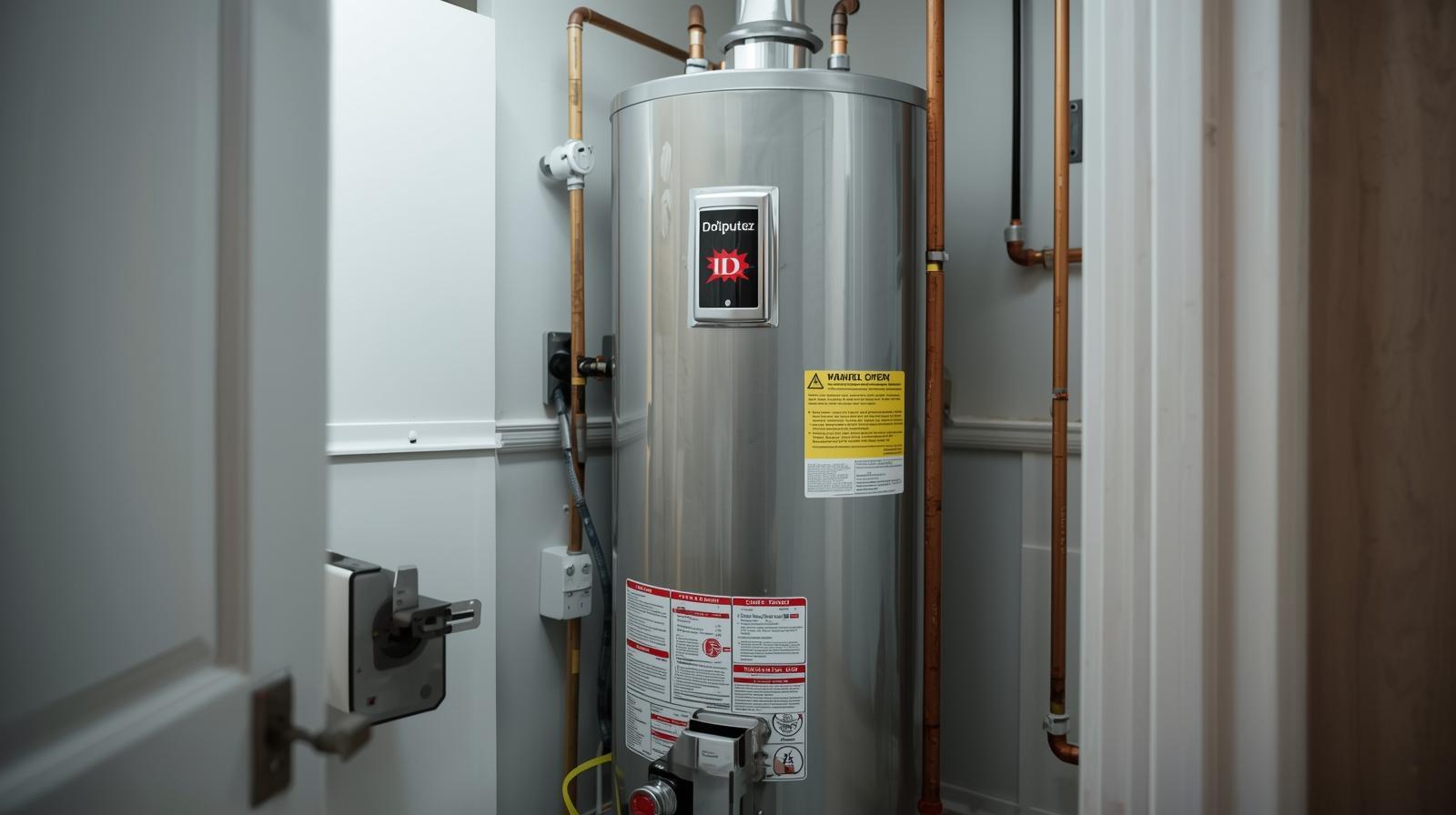
Water Heater Troubleshooting: Why You Have No Hot Water (and How to Fix It Fast)
First question, and it halves the problem: is there hot water anywhere else in the house? If one faucet is cold and the rest are fine, the heater is working and the fault is at that fixture — usually a mixing cartridge or a partially closed shut-off. If nothing in the house has hot water, it is the heater.
On an electric heater, in this order: the breaker at the panel, then the red high-limit reset button on the upper thermostat behind the access panel, then the thermostats and elements. A reset button that trips again straight away is telling you something has failed — do not keep pressing it.
On a gas heater, in this order: the pilot, then the thermocouple, then the gas control valve. If you can smell gas at any point, stop, leave, and call the gas utility from outside.
We diagnose water heaters — the four on record were $50 each — and we do fixture-side repairs. We do not replace water heaters. That is licensed plumbing work in Michigan and it goes to a licensed plumber; no license is claimed or implied here.
Step 1: Is the Problem Local or System-Wide?
The first diagnostic step is the most important: determine if the entire house is out of hot water, or just one faucet.
Scenario A: No Hot Water Anywhere in the House
If every hot water faucet (kitchen, bathroom sinks, shower) is cold, the issue is almost certainly with your main water heater or the gas/electrical supply to it.
Scenario B: No Hot Water at Only One Faucet
If you have hot water in the kitchen but the guest bathroom shower is cold, the problem is local to that specific fixture.
- The Cause: This is often due to a stuck mixing valve or a failed cartridge inside the faucet or shower handle. The valve may be locked, preventing the hot water from mixing in, even though the main system is functioning.
- The Quick Fix: Try adjusting the temperature limiter on the affected fixture. If that fails, the internal hardware needs professional replacement.
Step 2: Troubleshooting a System-Wide Failure (Focusing on the Water Heater)
If you determined the failure is system-wide (Scenario A), here is a breakdown of the two most likely causes based on the type of water heater you have.
If You Have an Electric Water Heater
If you have an electric water heater, the problem is usually electrical. First, check your main electrical panel for a tripped breaker labeled "Water Heater." If the breaker looks like it’s half-off or tripped, firmly flip it off, then firmly back on, and wait an hour to see if the water heats up. If the breaker holds, the issue might be a tripped high-limit reset switch. This red button is typically found behind an access panel and is designed to trip if the water gets too hot. To reset it, turn off the power at the breaker, remove the panel, push the red button until it clicks, then re-secure the panel and restore power. If the breaker doesn't trip and the reset button holds, one of the two heating elements inside the tank may have burned out, which requires testing with a multimeter and is a job for a professional.
If You Have a Gas Water Heater
For gas water heaters, the focus is on the gas supply and ignition. Start by checking the viewing window near the bottom of the unit. If you don't see a small, blue pilot light, it is out. You can attempt a quick fix by following the instructions printed on the side of the heater to safely relight the pilot. If the pilot won't stay lit, or if you still lack hot water, inspect the thermostat. Ensure the temperature control knob is set to a standard temperature, such as 120°F (or Medium/Hot). If the pilot fails to stay lit, the issue is likely a faulty thermocouple, a safety device that requires precise replacement. Finally, if the pilot won't light, check other gas appliances (like your stove) to see if they are working. If they are not, you may have a neighborhood gas issue and should call your gas company immediately. If other gas appliances work, the problem is isolated to the heater's gas valve.
Step 3: When to Call the Professionals at Haslett Handyman
While resetting a breaker or relighting a pilot light are excellent DIY skills, anything that involves opening panels, testing electrical components, or working with a gas line should be handled by an expert.
You should call us immediately if:
- The Breaker Keeps Tripping: This indicates a serious electrical fault, such as a shorted heating element or wiring problem, which is a fire risk.
- The Pilot Light Won't Stay Lit: This is typically a problem with the thermocouple, a safety device that controls the gas valve. Replacing this is a precise plumbing repair.
- You See Leaks: If you notice water pooling around the bottom of the water heater tank, the tank is likely corroded and must be replaced immediately to prevent major water damage.
The Haslett Handyman team can quickly and safely diagnose water heater failures, replace failed elements or thermocouples, or provide a quote for professional, code-compliant replacement if your unit has failed.
Don't suffer through another cold shower. Contact us for fast, reliable hot water repairs today!
Related
- Plumbing repairs — fixtures, leaks and diagnosis
- Anti-scald valves: why your shower runs hot
- Handyman in Holt — why 1960s-80s houses fail all at once