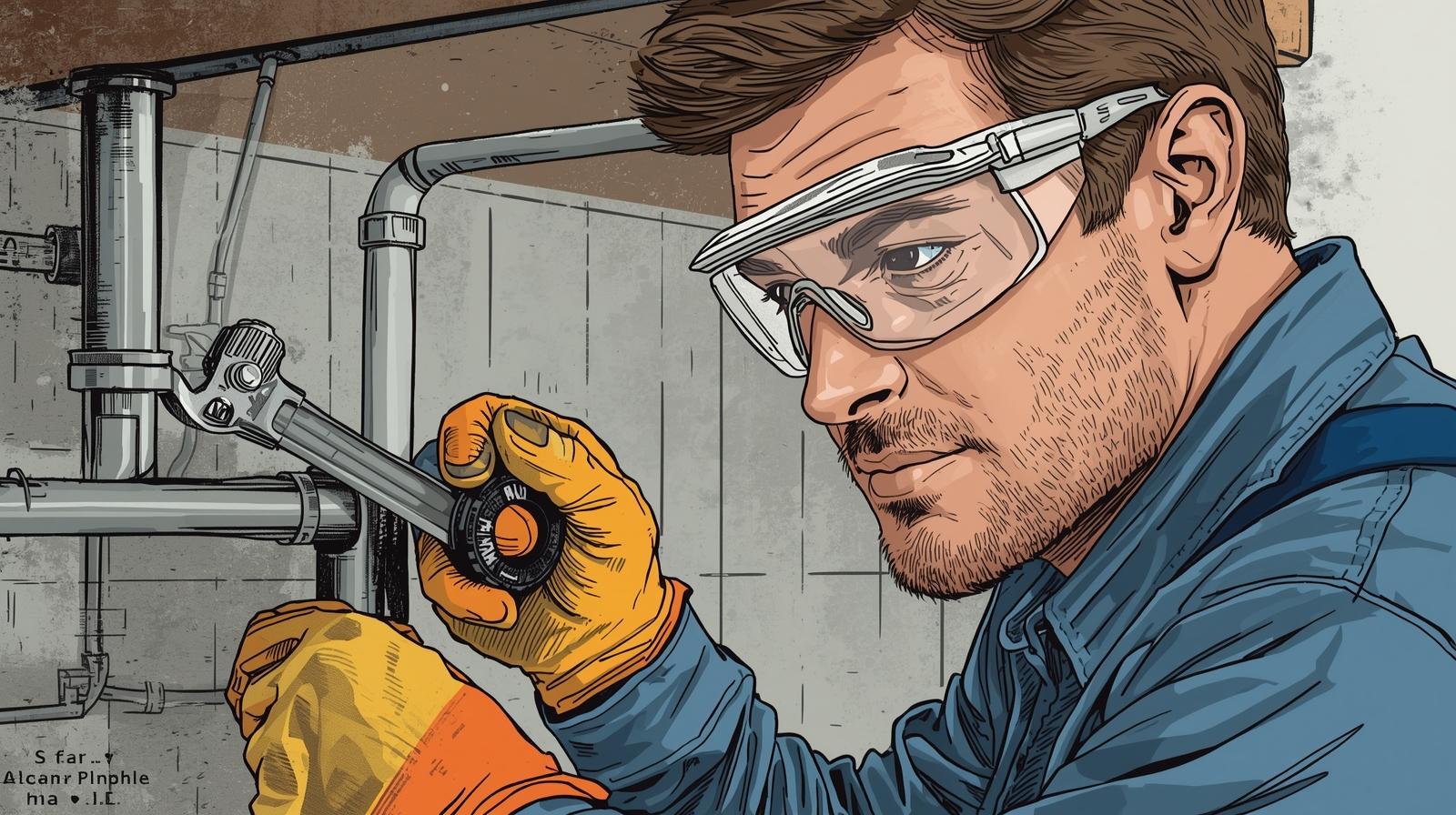
Garbage Disposals: Are They Worth the Risk? (The Good, The Bad, and The Plumbing)
Whether a disposal is worth it depends almost entirely on the pipe it drains into. On a modern, well-fallen kitchen line it is a convenience with very little downside. On the older drain lines under a lot of Lansing and Mason housing — shallow fall, long horizontal runs, sometimes a partial belly — it grinds food fine enough to travel a few feet and then settle, and the blockage is further down the line than a plunger will ever reach.
Three things account for most failures: fibrous waste (celery, onion skins, artichoke), coffee grounds, and grease. The first jams the grinding plate, the second packs like wet sand in the trap, and the third coats the pipe wall and catches everything that follows. None of those is the machine's fault and all three are avoidable.
A disposal that hums but will not turn is usually jammed rather than dead — the hex key in the base and the reset button underneath fix a large share of them. The five quoted homeowner jobs covering faucets, sinks and disposals ran $80 to $350, which covers anything from freeing a jam to a like-for-like replacement.
The Good: Why Homeowners Love the Disposal
When used correctly, a garbage disposal offers genuine convenience that's hard to beat.
1. Kitchen Cleanliness and Odor Control
This is the biggest draw. Instead of scraping plates into a trash can where food can rot and attract pests, scraps are immediately washed away. This dramatically cuts down on kitchen odors and makes cleanup faster and more sanitary.
2. Environmental Benefits (In Some Areas)
In areas with modern wastewater treatment facilities, ground food waste can be processed into valuable biosolids or biogas. This can be a more sustainable option than sending food scraps directly to a landfill, where they produce harmful methane gas.
3. Ease of Use
If you’re hosting a dinner party or cooking a big meal, being able to quickly rinse food particles from plates and pots without worrying about a strainer clogging up is a major time-saver.
The Bad: The Risks You Need to Know
While disposals are convenient, they are machines placed directly into your plumbing system. They come with a few distinct drawbacks, particularly if they are misused.
1. Plumbing Headaches and Clogs
This is the number one concern. Disposals are designed to handle soft organic material, but they cannot liquefy things like grease, coffee grounds, bones, or fibrous vegetables (think potato peels or celery). These materials often sneak past the grinding chamber, where they can solidify or clump further down the drainage line, leading to costly clogs and backups.
2. Required Maintenance and Repair
Like any appliance, disposals require maintenance. They can jam (often requiring a frustrating manual reset), leak, or break down entirely. When a disposal fails, it usually involves specialized plumbing work to replace or repair the unit.
3. High Water and Energy Usage
Using a disposal requires running a significant stream of cold water to flush the ground particles through the drain line. This can increase your home’s water consumption over time compared to composting or scraping plates into the trash.
Haslett Handyman's Verdict: The Final Decision
A garbage disposal is a helpful tool, but it is not a trash can. Whether it is "worth the risk" depends entirely on your usage habits and your plumbing infrastructure.
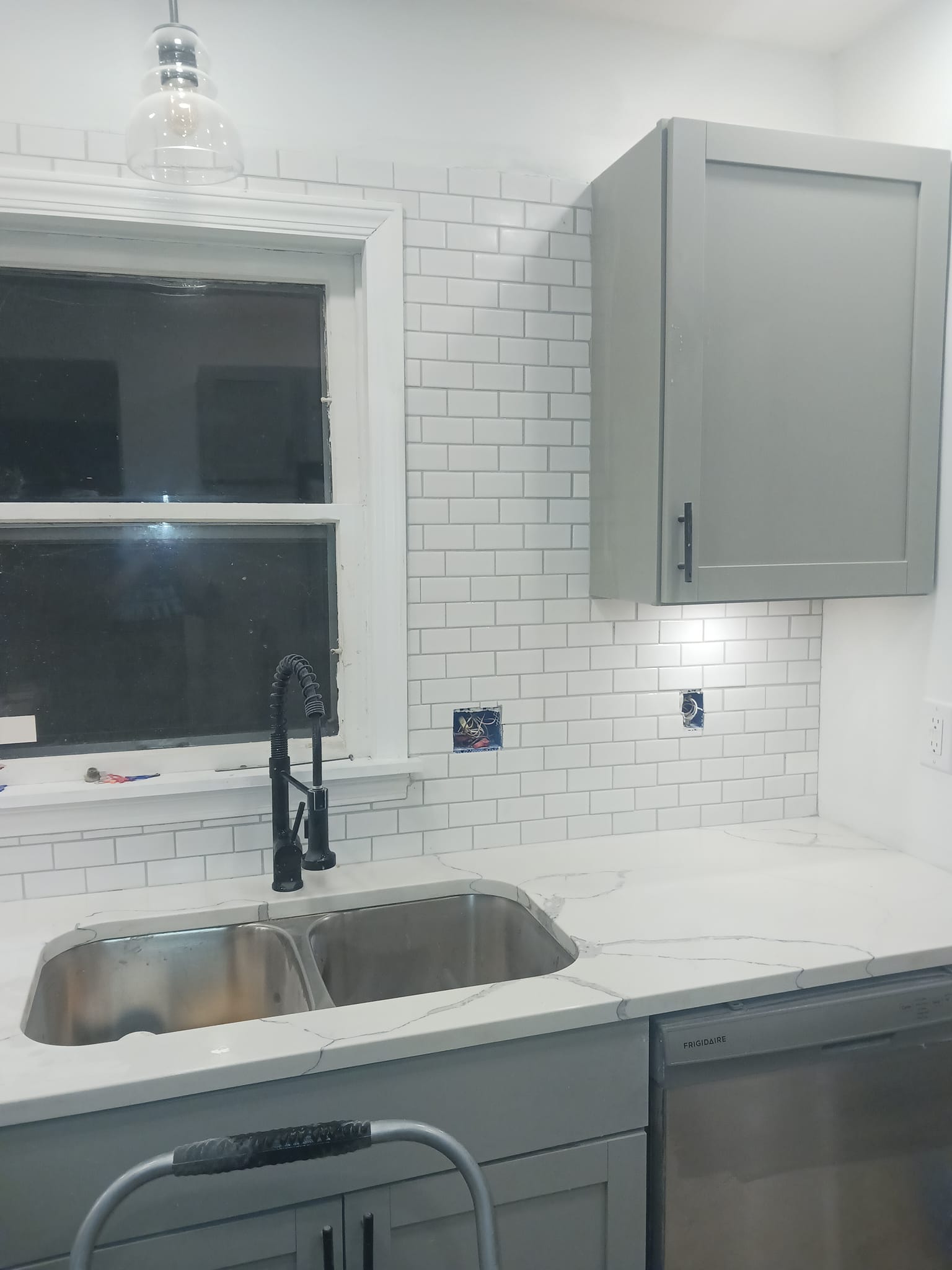
If You HAVE a Disposal, FOLLOW These Rules:
- DO NOT put grease, oil, coffee grounds, eggshells, or pasta/rice down the drain.
- DO always run a strong stream of cold water before, during, and for 30 seconds after use.
- DO use citrus peels (cut into small pieces) or vinegar/baking soda to naturally clean the grinding chamber and keep it smelling fresh.
If You DON'T Have a Disposal, Consider This:
- Composting: It's the most environmentally friendly option for food waste.
- The Scraping Method: Scrape plates directly into the trash or a sealed container before rinsing.
- Drain Screens: Use fine-mesh drain screens to catch every particle before it enters the drain.
When to Call the Plumber (or Handyman!)
If your garbage disposal starts making a loud humming noise (meaning it's jammed but not running), won't turn on, or you notice slow drainage after using it, it's time to call a professional. Never reach your hand into the disposal!
The team at Haslett Handyman is experienced in both the repair and safe installation of garbage disposals. If you're ready to upgrade your kitchen or need help clearing a stubborn clog, contact us today—we handle the good, the bad, and the plumbing!
Related
- Plumbing repairs — sinks, faucets, disposals and drains
- Slow or clogged drain: causes, fixes and cost
- P-trap vs S-trap: why your drain smells