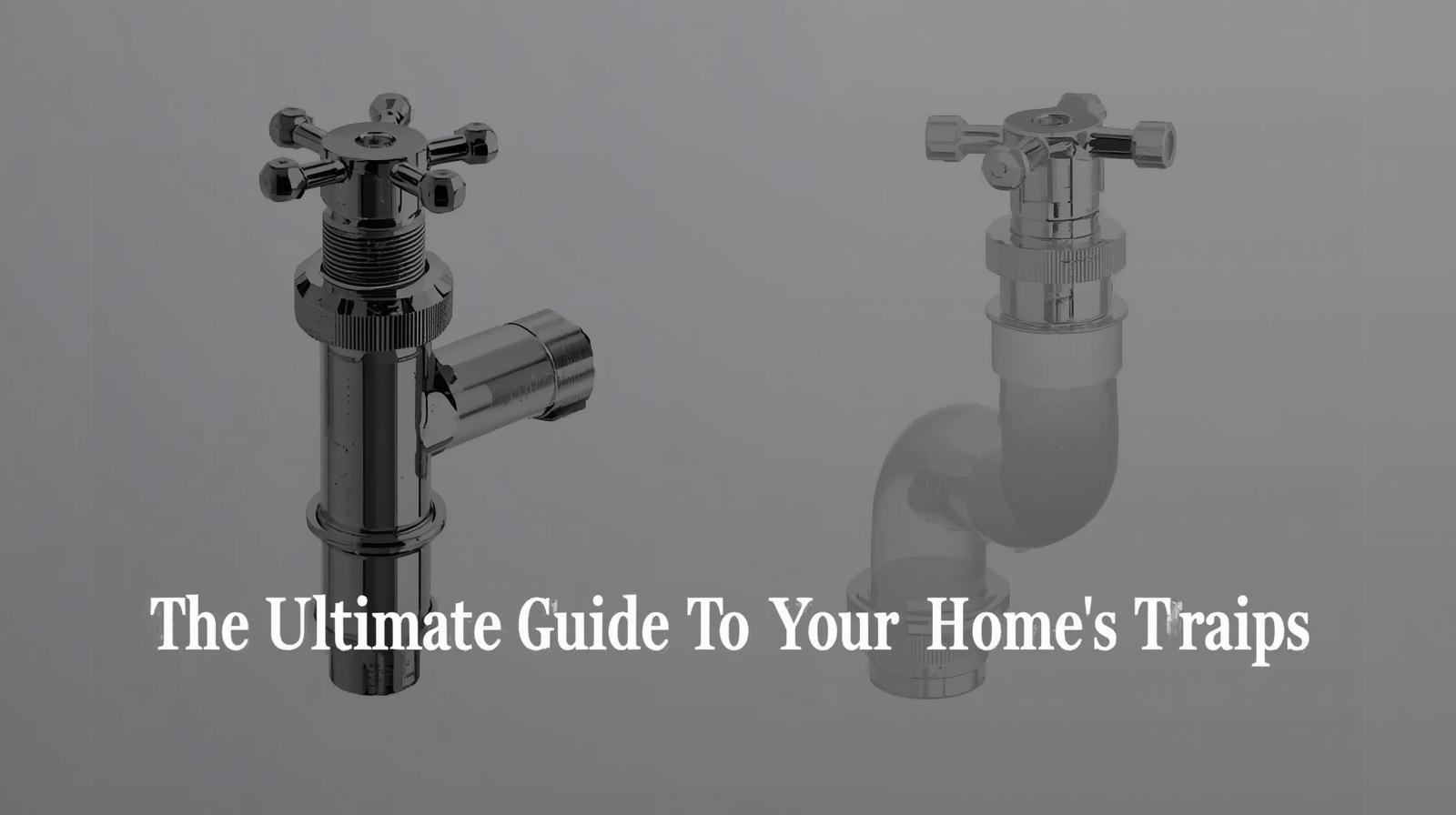
P-Traps vs. S-Traps: The Ultimate Guide to Your Home's Drain Traps
The curved pipe under a sink holds a plug of water, and that water is the only thing between your house and the sewer. When a drain smells, that seal has gone — and there are only two reasons it goes.
It evaporated. A guest bathroom or a basement floor drain nobody uses will dry out in a few weeks. Run the faucet for thirty seconds and the smell goes with it. That is not a repair, and anyone charging you for one is selling you a faucet.
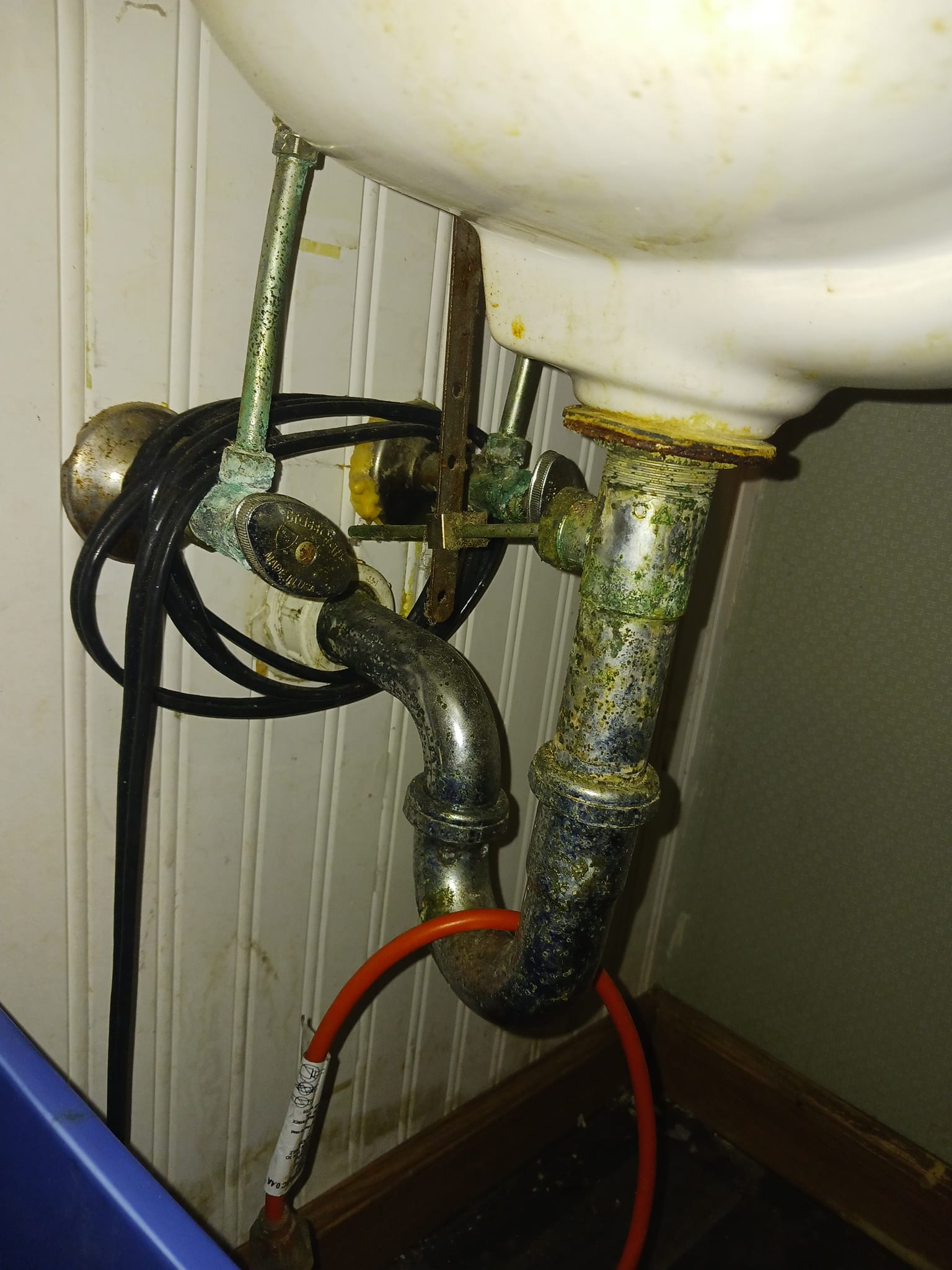
Or it is being siphoned out. An S-trap — the shape that turns down again after the bend, common in older Lansing houses and in anything a previous owner plumbed themselves — pulls its own seal down the drain as the basin empties. If the smell returns within days on a fixture you use daily, that is what you have. The fix is re-piping the trap arm to a P-trap with a proper vent, and it is a repair-level job, not a re-plumb.
The Critical Purpose of a Drain Trap: The Liquid Seal
P-traps and S-traps are two types of plumbing drain traps, and they serve the same critical purpose: to prevent harmful and foul-smelling sewer gases from entering your home.
They achieve this by using a U-shaped bend to hold a small amount of water, which creates a liquid seal between your sink or tub and the sewer line. Without this seal, noxious gases from the sewer could easily flow straight up into your living spaces.
Think of the water in the trap as a permanent, invisible barrier that keeps the bad air where it belongs.
What is a P-Trap? (The Modern Standard)
The P-Trap is the industry standard for modern plumbing and the design you will find in virtually every new home and professional remodel.
It gets its name because its shape resembles the letter "P" turned on its side. It features a horizontal pipe that runs toward the wall, connecting to a vertical pipe called the drain stack. This connection to the drain stack is the key to its success.
Key Advantages of the P-Trap:
- Venting Success: The P-Trap works seamlessly with your home's vent system (the pipes that run through your roof). This vent system introduces air into the drain line, preventing a siphon effect.
- No Siphoning: Because the P-Trap is properly vented, the water seal is rarely pulled out by sudden drainage (a process called siphoning). This ensures the sewer gas barrier remains intact.
- Easy Cleaning: The curved section is usually accessible, making it easier to clean out dropped items (like jewelry) or clear minor clogs.
What is an S-Trap? (The Outdated Hazard)
The S-Trap is named because its shape resembles the letter "S." It was common in older homes (pre-1930s or earlier) but is now banned by modern plumbing codes in most regions.
The issue with the S-Trap is that it connects directly from the fixture, vertically down into the main drainpipe in the floor, creating a deep, uninterrupted "S" curve.
Why the S-Trap is a Problem:
- Self-Siphoning: When a large volume of water flows through an S-Trap (like after flushing a toilet on the same line or even simply draining a full sink), the momentum of the water often creates a strong vacuum. This vacuum siphons the standing water out of the trap, completely breaking the liquid seal.
- Sewer Gas Entry: Once the water seal is lost, sewer gases have a direct, open path into your home, leading to bad smells and potential health concerns.
- Code Violation: If you find an S-Trap in your older home, it should be replaced with a correctly vented P-Trap to meet current safety standards.
-
Actionable DIY Tip: Keeping Your Trap Working
The greatest enemy of your drain trap is lack of use. If you have a sink or shower that isn't used often (like in a guest bathroom), the water in the trap can evaporate over time, breaking the seal.
Simple Fix: Once every few weeks, simply run water in all unused sinks for about 30 seconds. This action replenishes the water barrier and ensures your trap is functioning as designed.
Need Help Upgrading Your Home's Plumbing?
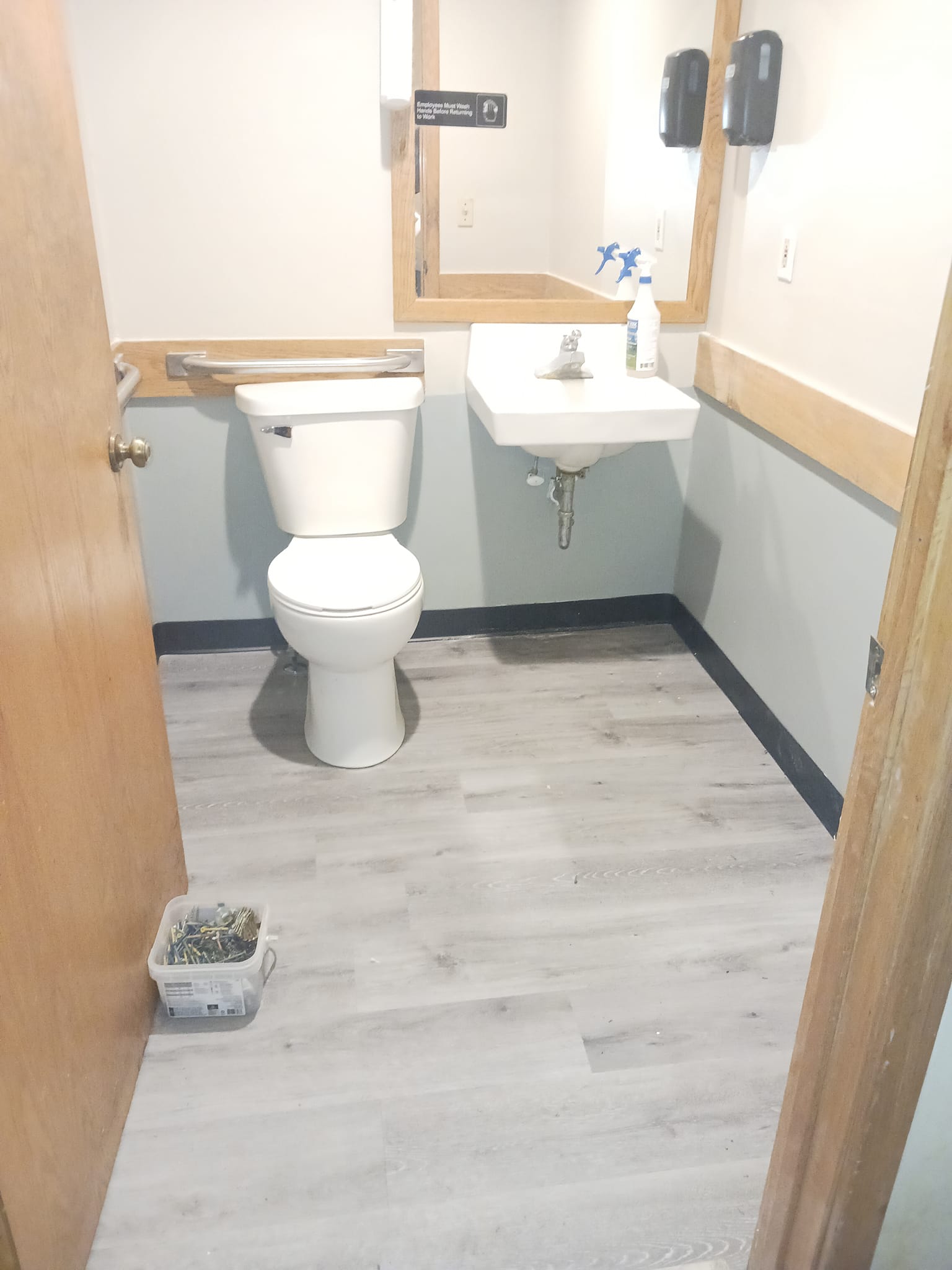
If you suspect you have an outdated S-Trap or are dealing with persistent drain odors, the Haslett Handyman team can professionally assess your plumbing system. We ensure all your drains are correctly vented and equipped with modern, code-compliant P-Traps for lasting safety and comfort.
Contact us today to schedule a plumbing inspection!
Related
- Plumbing repairs — traps, drains and fixture work
- Slow or clogged shower drain — if it is slow as well as smelly
- Leaking toilet base? How to fix the wax seal — the other common source of a sewer smell