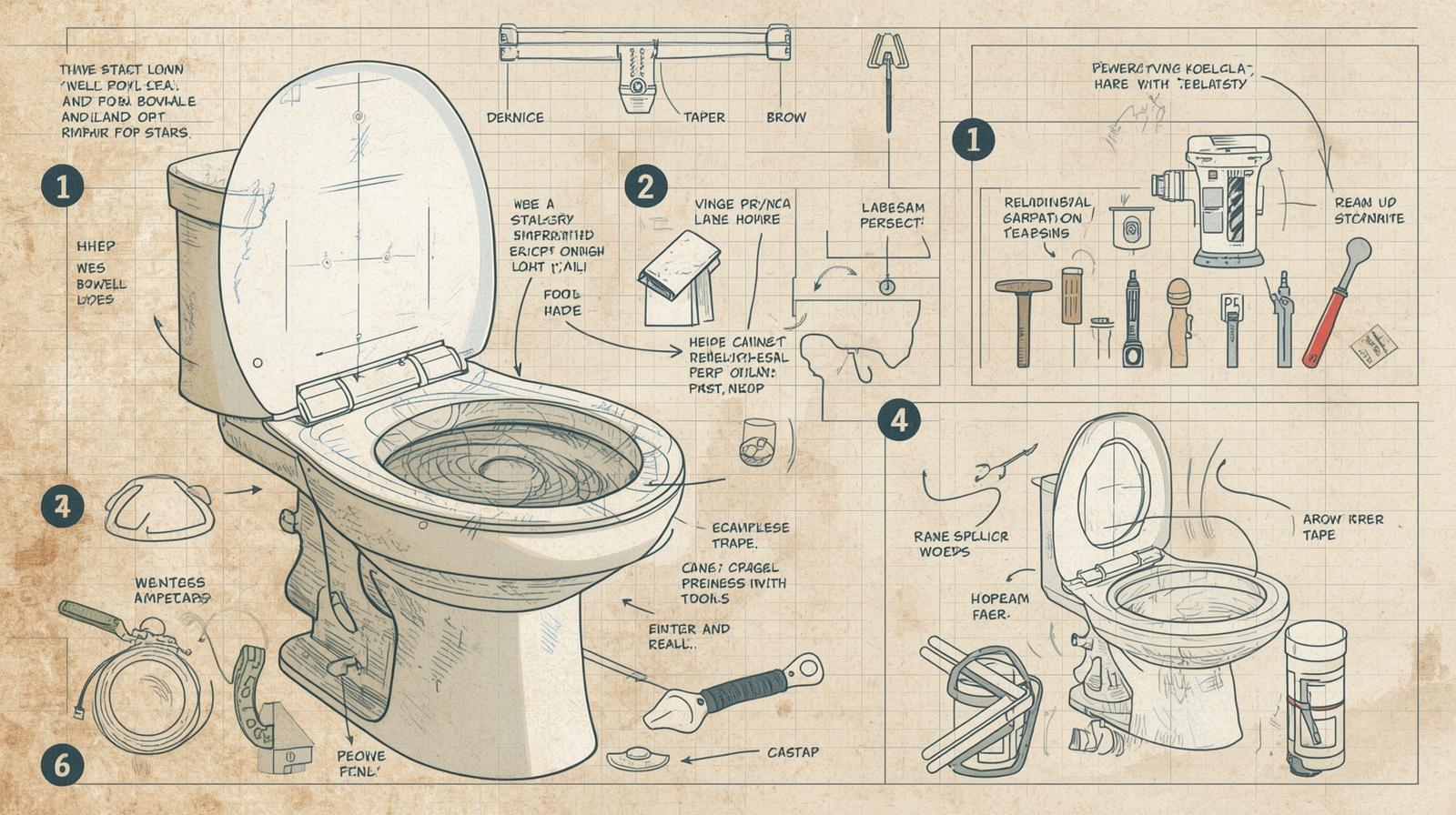
The Leaky Toilet Fix: Complete Guide to Toilet Bowl Seal Replacement
Water at the base of a toilet, appearing after a flush and not between flushes, is the wax ring. That is the seal between the bottom of the toilet and the drain flange in the floor, and it is a consumable — it compresses once, and it does not compress again if the toilet is ever lifted or rocked.
Three signs, and they usually arrive together: water at the base after flushing, a toilet that rocks when you sit down, and a sewer smell that persists after everything is clean. The rocking is the one that matters most, because a toilet that moves will crush a new ring within months. The flange and the floor under it have to be sound before a new seal goes in, and on an older house that is frequently where the real job turns out to be.
The five quoted homeowner toilet jobs on file ran $85 to $190. Water that appears between flushes rather than after one is a different fault — usually the supply line or the tank bolts — and it is cheaper.
What is the Toilet Bowl Seal (Wax Ring)?
The toilet bowl seal is a ring of sticky wax or a modern synthetic foam/rubber composite that sits between the bottom of your toilet (the flange) and the sewer pipe opening in the floor.
Its primary job is twofold:
- Water Seal: It prevents water from leaking out of the toilet base every time you flush.
- Gas Seal: Like a P-trap, it creates an airtight barrier that stops noxious sewer gases from escaping the drain pipe and entering your home.
When this seal fails, you’ll immediately notice one of the signs below.
Three Signs You Need a New Toilet Seal
It’s often not a dramatic burst, but a slow, persistent failure. Here are the most common ways a wax ring gives out:
1. Water Leaking at the Base
This is the most obvious sign. After flushing, look around the bottom perimeter of the toilet bowl. If you see water slowly seeping out or constantly reappearing, the wax ring has likely failed to hold the water seal. This moisture can quickly damage wood flooring and subfloors.
2. A Rocking or Wobbly Toilet
If your toilet wobbles or shifts when you sit on it or lean against it, the seal is compromised. Over time, the constant shifting can flatten or distort the wax ring, breaking the seal and leading to leaks. Important: Never ignore a rocking toilet—it’s not just a sign of a bad seal, but a cause of foundation damage.
3. Persistent Sewer Gas Odors
If you notice a faint but continuous sewer gas smell in your bathroom, especially after flushing or on dry days, it means the airtight barrier is broken. The gases are escaping through the gap where the old seal has failed.
Complete Guide to Toilet Bowl Seal Replacement
Replacing a wax ring is a multi-step job that involves carefully disconnecting and lifting the heavy fixture. While it is a popular DIY repair, due to the weight of the toilet and the risk of chipping the porcelain or damaging the flange, it’s often best left to a professional.
Here are the key steps involved in the process:
Step 1: Shut Off the Water and Drain the Bowl
- Turn the water supply valve (usually located behind the toilet) off.
- Flush the toilet to empty the tank.
- Use a sponge or shop vac to remove any remaining water from the tank and the bowl.
Step 2: Disconnect and Remove the Toilet
- Use a wrench to disconnect the supply line from the toilet tank.
- Remove the decorative caps and nuts from the two closet bolts (the bolts connecting the toilet to the floor).
- Carefully lift the toilet straight up and set it gently aside (preferably on an old towel or cardboard) to avoid chipping the base. Warning: Toilets are heavy! Always lift with your legs and preferably with a helper.
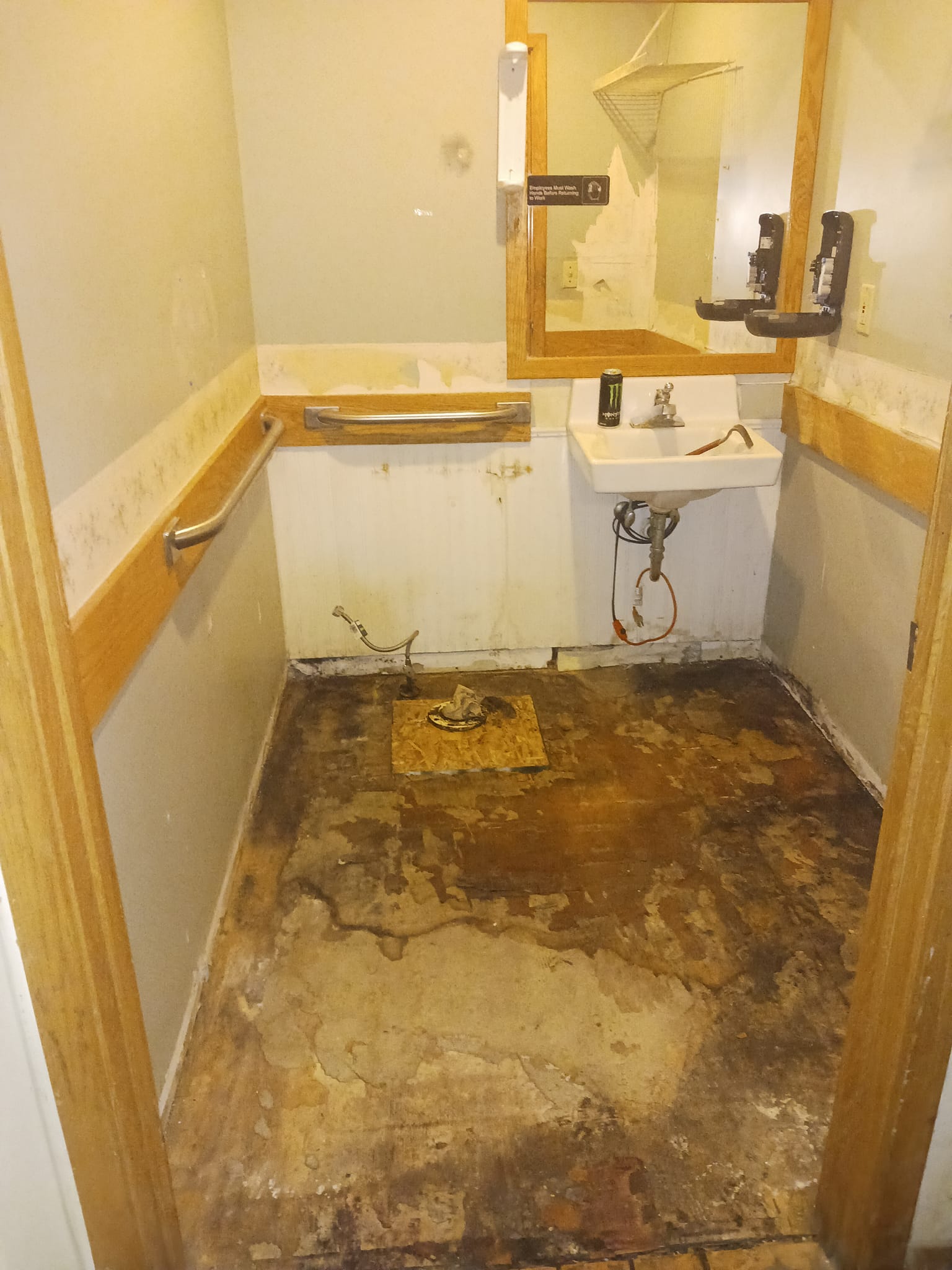
Step 3: Clean the Flange and Prepare the New Seal
- Scrape off all the old wax from the floor flange and the base of the toilet using a putty knife. The surface must be perfectly clean and dry for the new seal to work.
- Inspect the closet flange (the ring bolted to the floor pipe). If it is cracked or damaged, it must be repaired or replaced before proceeding.
- Place the new wax ring (with the plastic or synthetic horn facing down) directly onto the toilet flange opening in the floor, or onto the outlet horn of the toilet itself.
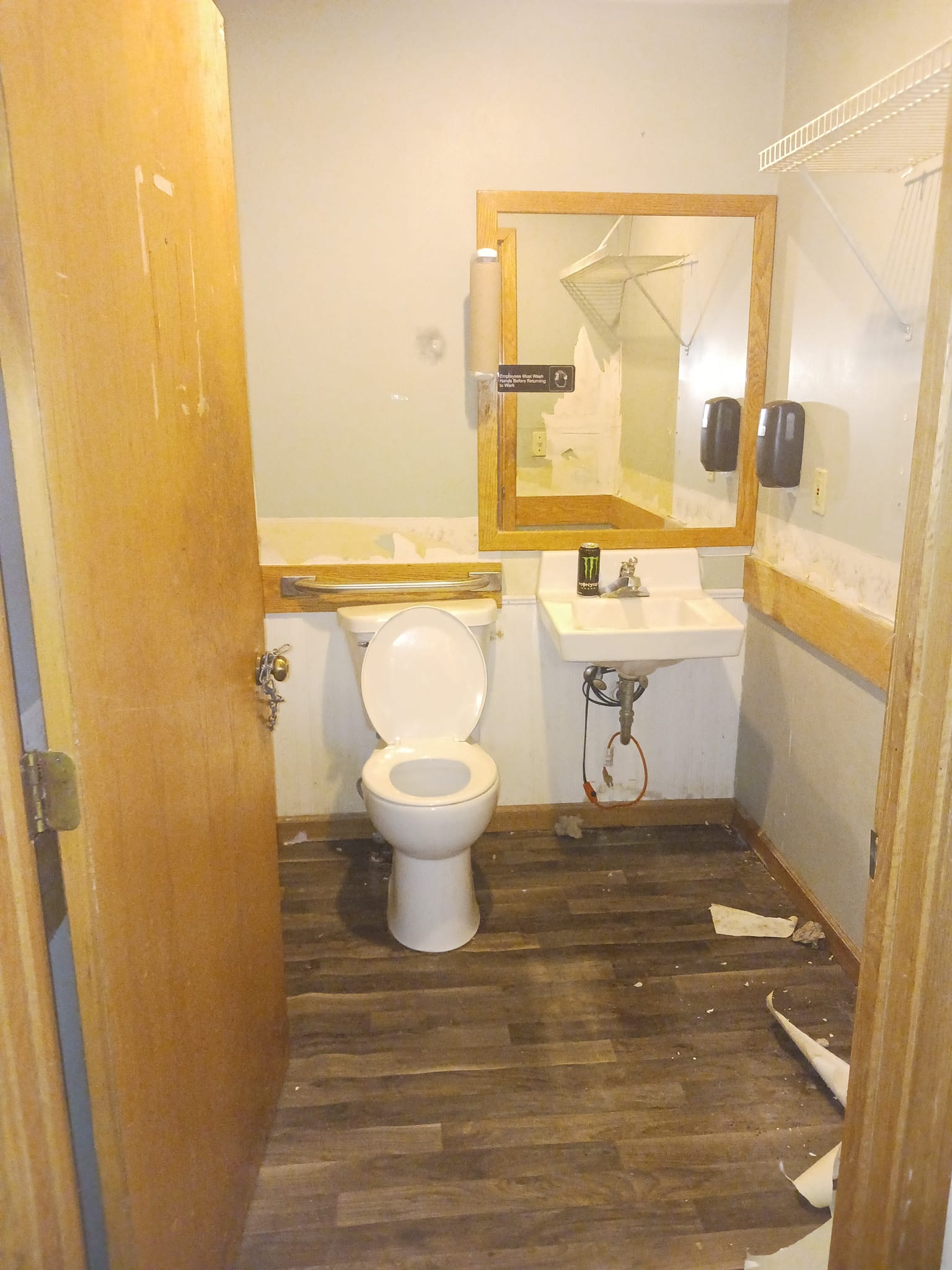
Step 4: Re-set the Toilet and Tighten
- Ensure the new closet bolts are correctly positioned in the flange.
- Carefully align the toilet directly over the flange and lower it straight down, pressing firmly and evenly onto the new wax ring. Do not rock or twist the toilet, as this will break the new seal.
- Re-install the washers and nuts onto the closet bolts and tighten them evenly until the toilet is firmly seated. Caution: Overtightening can crack the porcelain bowl.
Step 5: Test and Finish
- Reconnect the water supply line and slowly turn the water back on.
- Allow the tank to fill, then flush the toilet multiple times.
- Inspect the base closely for any leaks. If the floor remains dry, the job is a success!
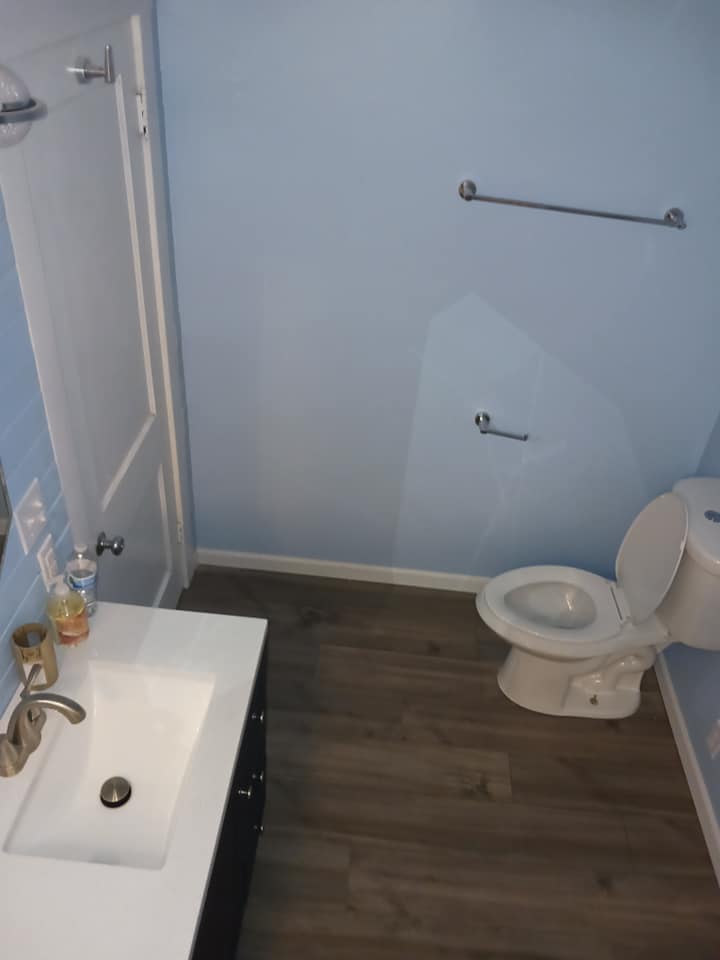
When to Call the Professionals at Haslett Handyman
While replacing a wax ring is a DIY possibility, many homeowners run into serious issues that require professional help:
- Damaged Flange: If the metal or PVC flange under the toilet is broken, it requires replacement, which is a more complex repair.
- Subfloor Damage: If water has been leaking for a long time, the subfloor beneath the toilet may be soft or rotten and requires carpentry repair before re-installation.
- The Toilet Won’t Budge: Older or poorly installed toilets may be cemented to the floor, making removal difficult and risky.
Don't let a small leak turn into a costly water damage claim. The Haslett Handyman team can quickly diagnose your toilet issues, properly replace the seal, and ensure all components meet the highest standards for safety and stability.
Contact us today to schedule your quick and clean toilet bowl repair!
Related
- Plumbing repairs — toilets, faucets, traps and leaks
- P-trap vs S-trap: why your drain smells
- Water-damaged drywall: repair or replace? — if it has been leaking long enough to reach the wall