Water Damage and Brown Sheetrock: When to Repair Drywall (and Can You Install a Backsplash on It?)
The test is your thumb. Press the stained area firmly. If it is hard and dry, the damage is cosmetic: a stain-blocking primer and paint will hold, and paint alone will not — the stain bleeds back through emulsion within weeks every time.
If it gives, crumbles, feels spongy or the paper has gone brown right through, the gypsum core is gone and no amount of filler brings it back. That section is cut out back to sound board and the studs behind it are checked. Brown sheetrock is not a stain — it is the color gypsum turns when it has been wet long enough to break down, and it will not carry a fixing or a tile.
What it costs: the four quoted homeowner drywall jobs on file ran from $275 to $717. Four jobs is not a price list; it is the honest span of what we have charged, and the number is decided by how much has to come out rather than by the size of the stain. Finding out costs nothing — there is no diagnostic fee and no charge to come and look.
And the answer to the backsplash question is no. Tile on compromised drywall fails, and it fails after the tile is on.
What Does Bad Drywall Look Like?
When drywall gets wet, the paper facing and the gypsum core react in distinct ways that are easy to spot. The single most alarming indicator is a discoloration that signals severe water damage.
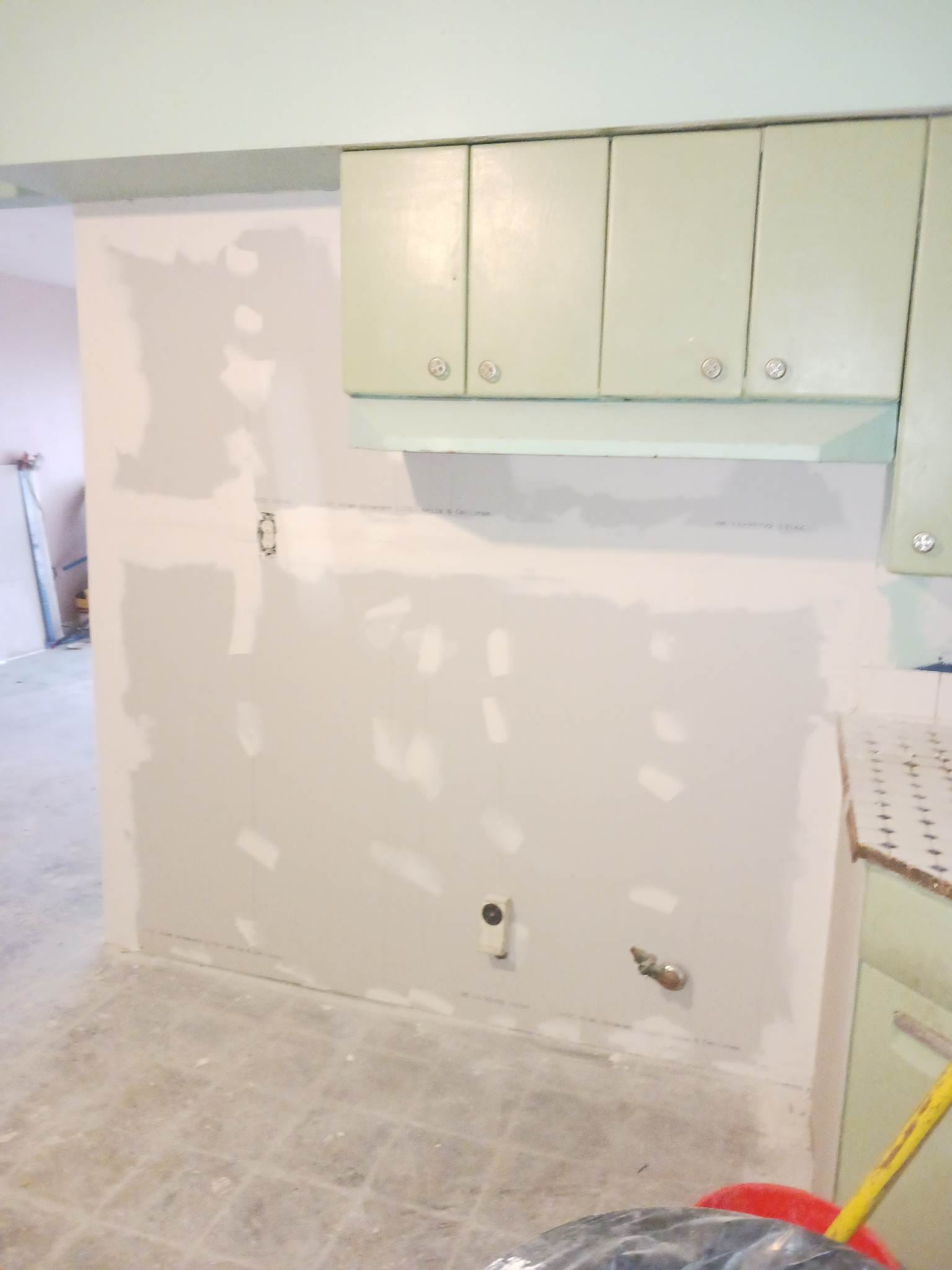
1. The Sign of “Brown Sheetrock”
The term "brown sheetrock" is a clear warning sign. The brown color comes from the tannins and pigments in the paper facing and gypsum core, which are pulled to the surface as the moisture evaporates.
- Softness or Sponginess: Gently press on the discolored area. If it feels spongy, soft, or easily crumbles, the gypsum core has dissolved, and the drywall has lost all structural integrity.
- Warping and Bubbling: Look for paper seams that are separating, or the entire panel bulging, cracking, or warping. This is a sign that the core has swollen due to saturation.
- Musty Odor: Water-damaged drywall often smells musty, which can indicate mold or mildew growth hidden behind the surface.
The verdict for brown sheetrock is always the same: it must be removed and replaced. Applying a coat of paint or patching compound won't solve the underlying structural decay or potential health hazards.
2. The Danger of Hidden Mold
Water damage requires immediate removal because of mold. Mold loves gypsum drywall and can grow rapidly, often before you see any surface discoloration. If you see visible mold spots or if the damaged area is near a plumbing leak, removal is non-negotiable.
When Drywall Must Be Repaired or Replaced
The severity of the damage dictates the repair:
Minor Spot Damage
For small, isolated areas of water damage, such as a minor spot damage caused by a simple splash (e.g., a softball-sized area), the recommended action is to cut out the damaged section, replace it with a new patch, and finish with joint compound ("mud") and sanding.
Brown Sheetrock / Structural Loss
When encountering brown sheetrock or damage indicating structural loss, such as large areas around a window, behind a toilet, or from a persistent leak, complete removal and replacement of the entire affected panel is necessary to ensure all rotten material and potential mold is eliminated.
Long-Term Water Intrusion
If the issue is long-term water intrusion and the damage has extended beyond the drywall into the structural wood framing (studs or joists), the situation requires professional remediation. This involves ensuring the wood framing itself is dried, sealed, or replaced before any new drywall can be installed.
Can You Install a Backsplash on Damaged Drywall?
This is a common question, especially in kitchens or bathrooms where a backsplash is desired over an area that may have had minor water exposure (like behind a sink).
The Simple Answer: Absolutely Not.
A backsplash, whether it's stone, ceramic tile, or metal, is only as strong as the surface it is glued to. If you try to install a backsplash on soft, compromised, or even mildly damp brown sheetrock, the results will be disastrous:
- Adhesion Failure: Thin-set mortar or construction adhesive will not properly bond to spongy or wet paper.
- Structural Collapse: The weight of the tile (even light subway tile) can cause the weak drywall to tear apart from the wall studs, resulting in the entire backsplash falling off.
- Trapped Moisture: Installing a backsplash over damp drywall traps the moisture, accelerating mold growth and decay behind your beautiful new finish.
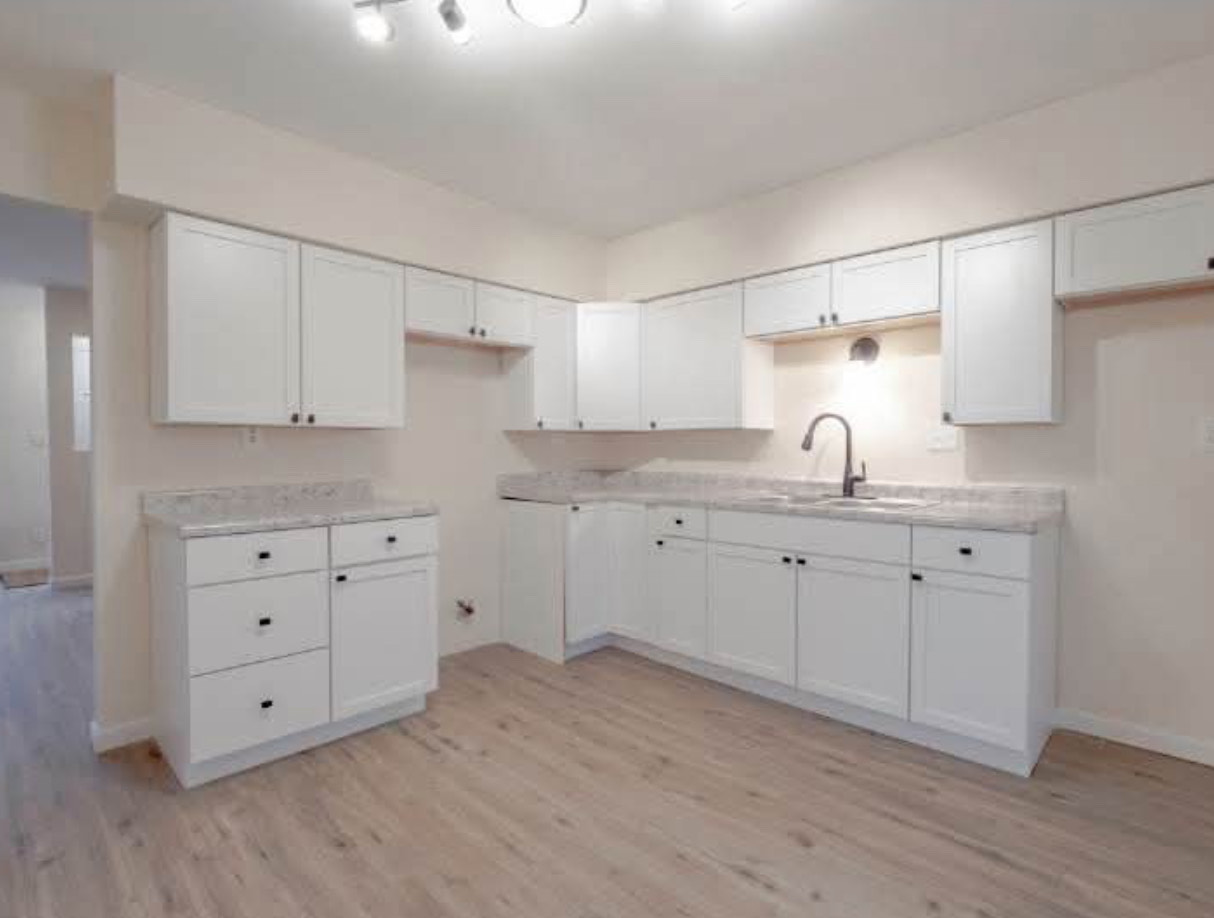
The Correct Procedure: Repair First
Before starting any backsplash project, the wall must be:
- Dry: The wall must be fully dried out, and the source of the leak must be fixed.
- Repaired: Any damaged drywall must be cut out and replaced with new, structurally sound sheetrock.
- Sealed: In areas prone to high moisture (like behind a bathroom vanity), we recommend using cement board instead of drywall, as it is fully waterproof and provides a superior base for tile.
The Haslett Handyman Solution
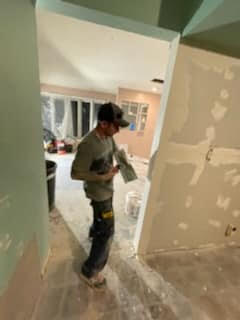
Identifying, removing, and replacing water-damaged drywall—and then prepping the wall for a tile backsplash—is meticulous work that requires skill to make the final repair seamless.
Don't let a small area of brown sheetrock turn into a full kitchen or bath tear-out. Whether you need the water damage looked at, a wall that has gone soft cut out and rebuilt, or a properly prepped surface ready for a new backsplash, Haslett Handyman can help. Where mold has got past the surface and into the framing, we say so and refer that work to a licensed specialist — we will not make a problem disappear cosmetically while leaving it behind the wall.
Contact us today to schedule an inspection and get your walls back in solid shape!
Related
- General repairs — drywall, plaster, patching and finishing
- Bathroom floor waterproofing — why the wall got wet in the first place
- Leaking toilet base? How to fix the wax seal
- Handyman in Lansing — plaster and drywall on the city's oldest housing