
Interior vs. Exterior Paint: Know the Key Differences Before Painting Wood
The difference is not quality, it is flexibility and UV. Exterior paint uses softer, more flexible resins and carries UV blockers, because outdoor wood swells in July and shrinks in January and a rigid film cannot follow it. Interior paint uses harder resins optimised for scrubbing and low odour, and it has no UV package at all.
So interior paint outdoors in Michigan cracks, then lets water behind the film, then peels in sheets — usually inside one freeze-thaw cycle. And exterior paint indoors is not a clever shortcut either: it off-gasses for far longer in an unventilated room, it stays softer and picks up marks, and it is not formulated to be washed.
Where people most often get caught is trim that is both: a door that faces outside, a window sash, a porch ceiling, a garage door. Those take exterior product on every face, including the back edge and the bottom rail nobody primes — which is where almost all the water gets in.
1. The Composition Battle: Additives Define the Use
The most significant difference between the two types of paint is what’s added to the pigment and binder to help them survive their environment.
Exterior Paint: Built for Survival
Exterior paint is engineered to be a flexible, weather-proof shield. Its composition includes specific additives that allow it to withstand nature's extremes:
- UV Resistance: Exterior paint contains stronger pigments and binders that resist the sun's UV rays , preventing it from fading, chalking, or breaking down in direct sunlight.
- Flexibility (Elastomers): Wood siding, doors, and trim naturally expand and contract with temperature and humidity changes. Exterior paint must contain flexible resins that stretch without cracking or peeling.
- Mildewcides: These are chemical additives designed to prevent the growth of mildew, mold, and algae that thrive in damp, outdoor environments.
Interior Paint: Built for Washability and Safety
Interior paint doesn't need to fight the elements, so its focus is on surface hardness, durability against scuffs, and indoor air quality.
- Scrubbability: Interior paint is formulated to withstand repeated cleaning and scrubbing without wearing away.
- Low Volatile Organic Compounds (VOCs): Interior formulas contain low or zero VOCs to reduce the strong, lingering odors and minimize harmful fumes, making them safe for closed indoor environments.
- Harder Finish: The film is designed to be harder and less flexible than exterior paint, which is great for resisting nicks and dings on trim and walls.
2. Performance Differences: The Wrong Choice is Costly
The performance failure of using the wrong paint type is swift and obvious.
Durability
- Interior Paint (Used Outside) - Will quickly fade, chalk, and crack due to lack of UV protection and flexibility.
- Exterior Paint (Used Inside) - Excellent durability, but the additives are unnecessary and potentially harmful indoors.
Odor/Toxicity
- Interior Paint (Used Outside) - Low odor, but its lack of flexibility causes rapid structural failure outside.
- Exterior Paint (Used Inside) - Often contains higher VOCs and powerful mildewcides that create strong, lingering odors and are not safe for daily indoor air exposure.
Wood Movement
- Interior Paint (Used Outside) - Will crack and blister when wood expands/contracts, as the film is too rigid.
- Exterior Paint (Used Inside) - Stays flexible and resists cracking, but the finish is generally too soft and less scrubbable than interior formulas.
3. Painting Wood Indoors and Out: Application Rules
The rules change slightly when painting wood, as wood requires special care and preparation.
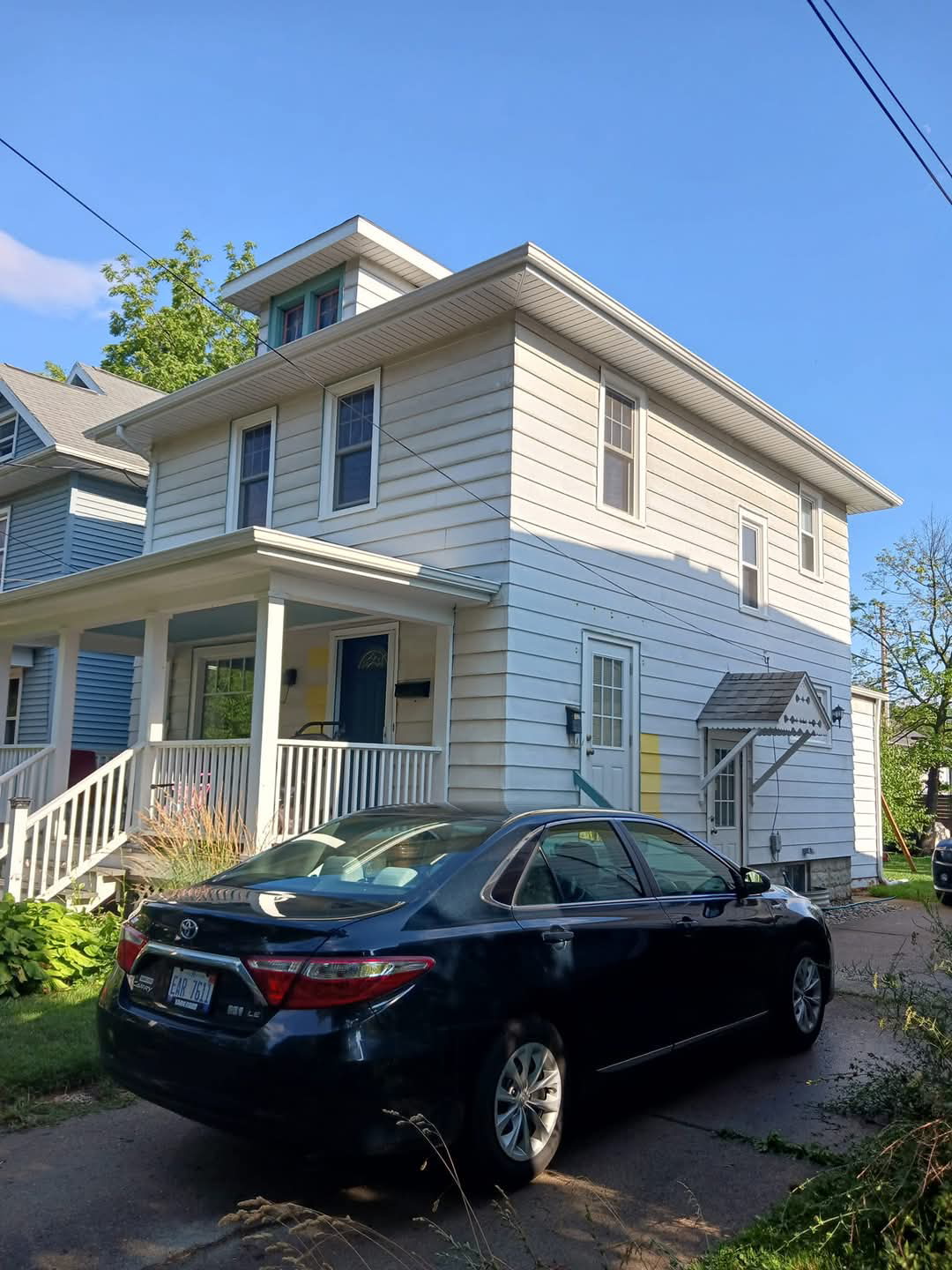
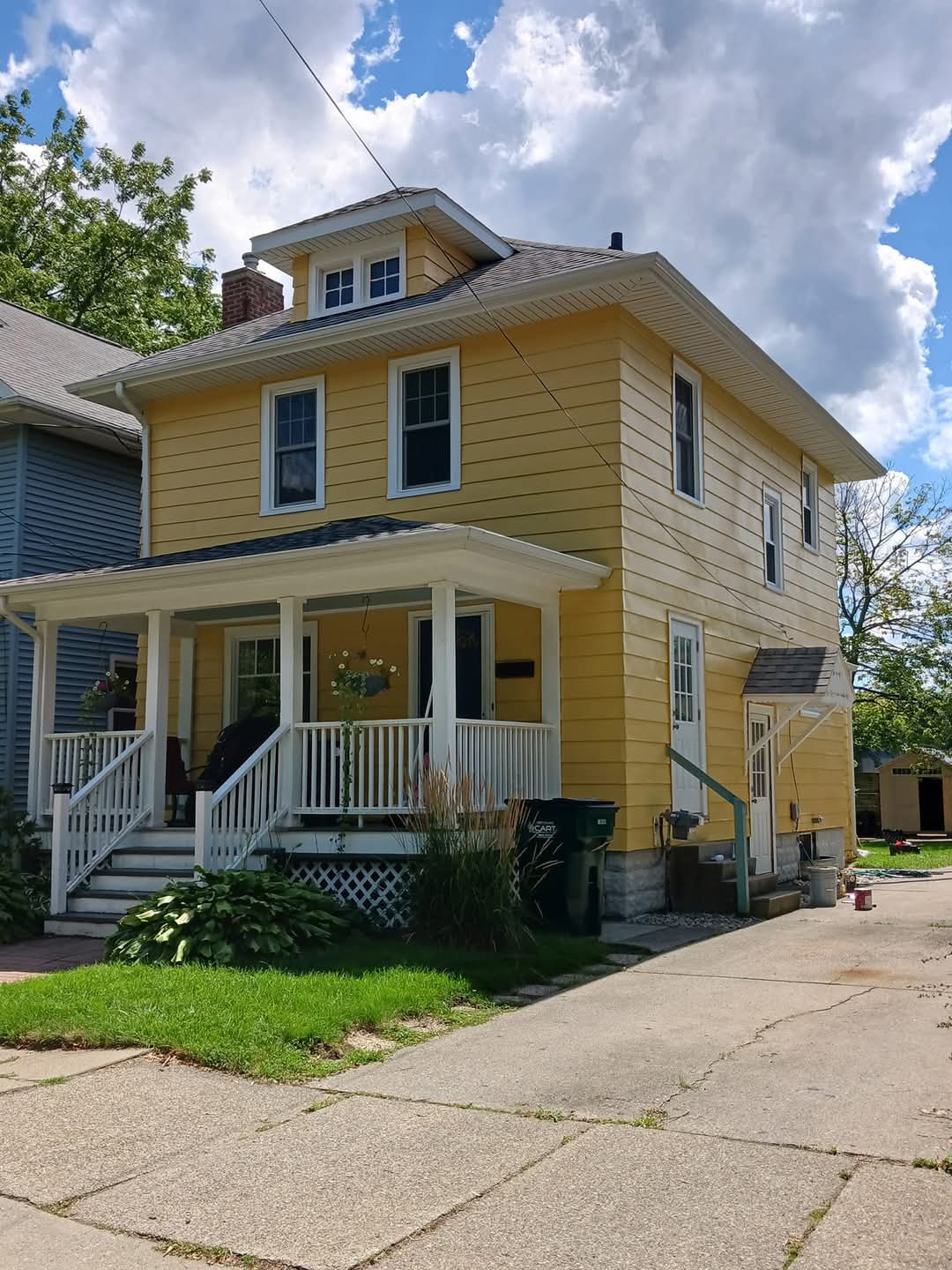
Exterior Wood Painting
- Preparation is King: When painting exterior wood (decks, trim, doors), you must remove all loose, peeling, or chipped paint first. If you skip this, the new paint will peel right off the failing layer beneath it.
- Use a Primer: Always apply a coat of high-quality exterior primer. Primer is your adhesion layer; it seals the wood and acts as a bridge for the topcoat.
- Choose the Right Sheen: For exterior wood, a satin or semi-gloss finish is often recommended because the smoother surface sheds dirt and moisture better than flat paint.
Interior Wood Painting
- Surface Cleaning: Before painting interior wood trim, cabinets, or doors, clean them thoroughly with a degreaser to remove hand oils and grime, which prevent proper paint adhesion.
- Proper Priming: If the wood is bare, stained, or has a glossy finish, use a dedicated interior wood primer to ensure the new paint bonds.
- Prioritize Low-VOCs: Always select a low- or zero-VOC interior enamel for wood trim and surfaces. A semi-gloss or gloss finish is typically used because it is easy to clean.
The Haslett Handyman Takeaway
The simple rule is this: Never swap the paint. Exterior paint stays outside, and interior paint stays inside.
If you are facing a large exterior project, like painting a door or deck where intensive preparation is required to remove failing coats, professional service is often the most cost-effective solution. The cost of labor is often offset by the guarantee that the preparation is done correctly and the finish will last.
If you need an expert hand to ensure your wood surfaces are prepped properly and finished with the right product—whether it’s indoor trim or outdoor siding—contact Haslett Handyman today!
Related
- Painting and decorating
- How to paint wood so it lasts — once you have chosen the paint, this is the sequence
- Removing paint splatter from glass